
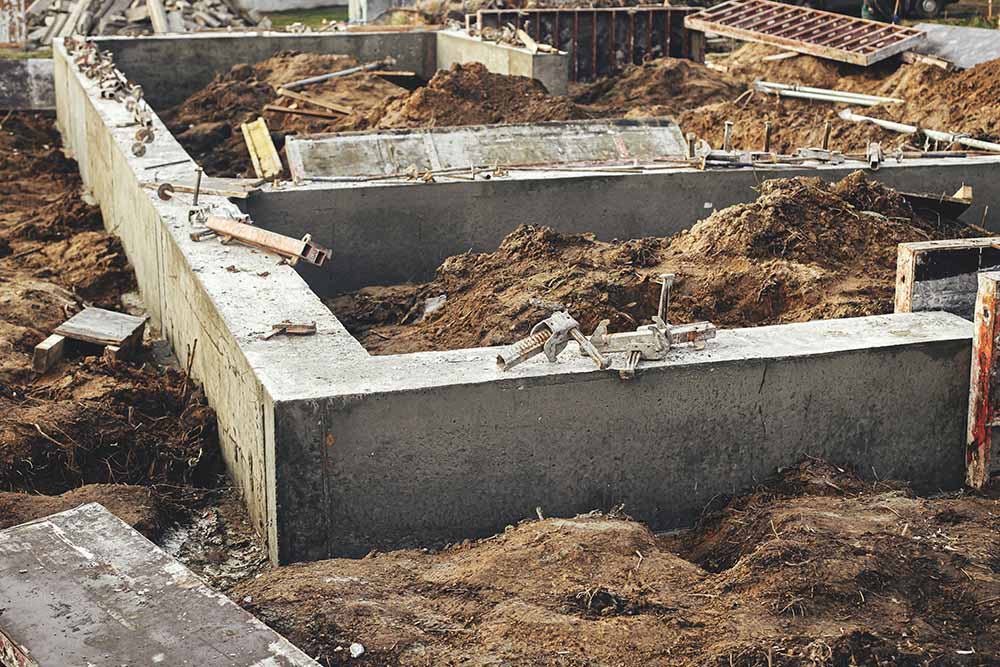
Your home’s foundation is the structural bedrock that keeps the entire building safe, level, and secure. Over time, shifting soil, poor drainage, and environmental changes can compromise the integrity of this concrete base.
Ignoring the initial indicators of structural distress can result in catastrophic damage and astronomical repair bills down the road. Catching these subtle warnings early allows you to address the root cause before the safety of your home is compromised.
Noticeable Cracks on Interior Drywall
The forces exerted by a shifting foundation will eventually travel upward into the living spaces of your home. When the concrete base settles unevenly, it places immense stress on the wooden framing and drywall above.
- Look for diagonal cracks branching out from the upper corners of interior door frames and windows.
- Check for long, horizontal fissures running along the seams where walls meet the ceiling.
- Monitor any existing hairline fractures to see if they are actively widening or lengthening over time.
Spotted early, these cosmetic imperfections serve as a direct map pointing to structural movement deep beneath your floors.
Doors and Windows That Stick or Misalign
When a house begins to settle unevenly, the rectangular frames of your doors and windows distort into parallelograms. This subtle warping prevents operational fixtures from fitting perfectly into their designated openings.
- Pay attention to doors that suddenly stick at the top or drag against the floor when opening.
- Watch for windows that become increasingly difficult to lift, latch, or close completely.
- Examine the gaps around closed doors to see if the spacing is wider on one side than the other.
If multiple doors and windows across your home begin malfunctioning simultaneously, it is rarely a simple humidity issue.
Unexplained Sloping or Sagging Floors
A healthy foundation keeps your entire home perfectly level, providing a flat surface for your daily life. If the underlying concrete begins to sink or heave, your interior flooring will inevitably mimic that uneven movement.
- Test for slopes by placing a small ball on a hard surface to see if it consistently rolls in one direction.
- Feel for bouncy, soft, or sagging areas when walking across hardwood or tiled floors.
- Check for gaps forming between the bottom of your baseboards and the surface of the flooring.
Addressing uneven floors promptly prevents widespread structural failure and protects your interior finishes from buckling.
Fractures and Separation in Exterior Brickwork
The exterior facade of your home often provides the clearest visual evidence of a compromised foundation. Because brick and mortar are rigid materials, they fracture easily when the concrete beneath them begins to shift or rotate.
- Search for stair-step cracks following the mortar lines in your exterior brick or stone walls.
- Inspect the corners of the home for brickwork that seems to be pulling away from window frames.
- Look closely at the concrete foundation beam itself for any deep, horizontal splitting.
Exterior masonry damage is a clear sign that the heavy lifting components of your home require immediate professional attention.
Gaps Around the Roofline and Fascia Boards
Foundation settlement can cause the entire framework of your house to tilt or pull apart from the top down. This movement creates visible separations where the walls of your home meet the roof structure.
- Look up at your roofline to see if the fascia boards are pulling away from the brick or siding.
- Check for newly formed gaps where the chimney meets the rest of the exterior wall.
- Watch for localized roof leaks that might be caused by shifting rafters pulling flashing away from the deck.
Separations at the roofline indicate advanced shifting that requires a specialized approach to stabilize the structure.
Protecting Your Ultimate Investment
Taking immediate action at the first sign of foundation movement is the best way to safeguard your property value. Partnering with a skilled specialist ensures your home receives the precise stabilization it needs to remain secure for a lifetime.
Do not wait for minor cracks to turn into a structural crisis that threatens your family’s safety. Contact a qualified foundation repair specialist today to schedule a thorough inspection and restore your peace of mind.